Roofing Contractor in Delafield, WI Built for Lake Country Winters
Delafield roofs have a hard job. Winters bring subzero cold snaps, 40 to 50 inches of snow, and freeze-thaw cycles that turn attic heat into ice dams at the eaves. Then May through August brings hail and straight-line winds off open lake fetch. Lots of homes around Lake Nagawicka and the 1990s subdivisions are still on their original shingles, and those shingles are 20 to 30 years old now. Delafield Roofing Company repairs, replaces, and maintains roofs for these conditions. We fix the ventilation and underlayment problems behind the leak along with the shingles on top.
We work in Lake Country, so we know the roofs here. That includes the steep, many-faceted roofs on executive homes in Hartland and Pewaukee, the lakefront cottages on Okauchee Lake that have been expanded more than once, and the downtown Delafield buildings near Genesee Street that need careful handling. We check permit and HOA requirements before work starts, and we plan dumpster placement and landscape protection on lake lots before the crew shows up. We also stay around afterward, so we're here when warranty questions come up.
- ✓Bonded roofing contractor
- ✓Fully insured for your protection
- ✓Financing available on qualifying projects
- ✓Serving communities within a 20-mile radius of Delafield
- ✓Residential and commercial roofing
- ✓Emergency roofing response for storm and winter leaks
Request Your Free Estimate
No obligation. Fast, honest quotes.
Thank you — your request was sent!
A member of the Delafield Roofing Company team will reach out shortly. Need help now? Call (262) 425-9527.
Why Delafield and Lake Country Homes Need a Specialized Roofing Contractor
A roof that would last 30 years somewhere milder can fail early here. Delafield's mix of inland continental cold, lake humidity, heavy tree cover, and a severe summer storm season wears roofs out in ways that take local knowledge to diagnose and fix.
Climate: Subzero Winters, Heavy Snow, and Summer Hail
Delafield sits about 25 miles west of Lake Michigan, too far inland to get much of the lake's moderating effect. January lows average in the single digits to low teens, polar vortex outbreaks push wind chills past -20°F, and seasonal snowfall typically runs 40 to 50 inches. Ground snow load design values for southeast Wisconsin are about 30 psf, and wet March snow drifting into valleys and onto porch roofs can go past that locally. Every freeze-thaw cycle loosens shingle granules, cracks flashing sealant, and heaves chimney masonry. Summer is hard on roofs too. From May through August, thunderstorm downbursts, derechos, and hail bruise shingles and tear off tabs. The 33 to 36 inches of yearly precipitation, plus humidity from Nagawicka, Pewaukee, and Okauchee lakes, feeds moss and algae on shaded north-facing slopes.
Built Environment: Three Generations of Roofs
The housing stock around Delafield comes from several eras. Downtown Delafield, Hartland, Oconomowoc, and Waukesha have 19th- and early-20th-century buildings, including landmarks like the 1846 Hawks Inn. Lakefront cottages from the early 1900s have been winterized, added onto, or replaced with custom homes that have turrets, dormers, and dozens of roof planes. Brookfield, Elm Grove, and New Berlin are full of 1950s–70s ranches and Cape Cods, and many of those still have two shingle layers that call for a full tear-off. The big wave came in the 1980s through 2000s, when Lake Country subdivisions filled with two-story Colonials with steep pitches, multiple valleys, and skylights. Most of those were built with 3-tab or early architectural shingles, and a lot of them are wearing out at the same time.
Regulations, Permits, and HOA Rules
Wisconsin's Uniform Dwelling Code (SPS 320–325) allows no more than two layers of asphalt shingles. It also requires ice barrier underlayment at the eaves that extends past the exterior wall line. Permit rules differ between the City of Delafield, the Town of Delafield, and villages like Hartland, Pewaukee, Sussex, and Elm Grove. Some require a permit for any full reroof, and others only above a certain job size. Many Lake Country subdivisions have HOA architectural review that restricts shingle color and profile. Wauwatosa's historic districts and downtown Delafield's historic resources may involve review of exterior material changes. Wisconsin's home improvement rules (ATCP 110) require written contracts, which protects homeowners when out-of-state storm chasers show up after hail.
Market Context: High Expectations, Tight Seasons
Waukesha County is one of Wisconsin's most affluent counties. Lake Country homeowners, including many second-home owners, retirees, and professionals who commute to Milwaukee, expect premium materials, clean job sites, and roofers who answer the phone years later. Middle-income households in Waukesha, Muskego, and Menomonee Falls care most about value and fair help with insurance claims. Because shingles need warm weather to seal, most reroofing here happens from April to November, and storm backlogs fill up quickly. Booking early and having a contractor who can respond in winter both matter.
Common Roofing Problems in Delafield and Waukesha County
Most roof failures we see around Lake Country trace back to a short list of causes: winter ice, summer storms, aging shingles, and hidden ventilation flaws. Knowing why each one happens here makes it easier to spot early, before a small leak becomes rotted decking or a stained ceiling.
Ice Dams and Winter Eave Leaks Serious
An ice dam is a ridge of ice that forms at the cold roof edge. Meltwater from higher on the roof pools behind it, backs up under the shingles, and leaks into soffits, walls, and ceilings. The damage often doesn't show up until weeks later.
Why it's common hereDelafield gets repeated freeze-thaw swings and 40 to 50 inches of snow, which is close to ideal for ice dams. Older homes and many 1990s builds have too little attic insulation and ventilation, so heat escapes and melts snow on the upper roof while the eaves stay well below freezing. Older roofs often have no ice-and-water shield, or it doesn't extend far enough past the wall line, so the water has nothing to stop it. Heavy snow followed by a sunny 35°F afternoon is when we get the most calls.
Signs you'll notice- Thick icicles hanging along gutters and eaves
- Ceiling or wall stains near exterior walls
- Damp or compressed attic insulation
- Frost buildup on attic nails and sheathing
- Peeling paint or swollen trim below the eaves
- Gutters pulling away under ice weight
We see this most in 1950s–70s Cape Cods in Brookfield and Elm Grove with finished upper half-stories, and in Lake Country Colonials with vaulted ceilings and recessed lights. Calls peak from January through early March.
Our fix: Safe ice removal and leak control, followed by attic air sealing, better insulation and balanced ventilation, and code-compliant ice-and-water shield extended past the wall line when the roof is redone.
Hail and Wind Storm Damage Serious
Hail bruises shingles and knocks off the protective granules, which exposes the asphalt to UV. Straight-line winds and downbursts lift tabs, break seal strips, and blow shingles off completely. Damage that looks minor can shorten a roof's life by years.
Why it's common hereSoutheast Wisconsin's severe season runs roughly May through August and regularly brings hail, derecho-strength winds, and the occasional EF0–EF1 tornado. Lakefront homes on Nagawicka, Pewaukee, and Okauchee take the full force of wind across open water. Each big storm also brings out-of-state crews knocking on doors, so homeowners need an honest local assessment and careful documentation before they file an insurance claim.
Signs you'll notice- Granules collecting in gutters or at downspout outlets
- Dark, circular bruises or dents on shingles
- Missing, creased, or lifted shingle tabs
- Dented gutters, vents, or metal flashing
- Exposed fiberglass mat on shingle surfaces
- New leaks after a storm
Lakefront estates on the Lake Nagawicka shoreline and Pewaukee Lake get the most wind exposure. Large subdivisions in Sussex, Hartland, and Waukesha often see widespread hail claims after a single summer storm cell passes through.
Our fix: Photo-documented storm inspection, emergency tarping if needed, help with your insurance adjuster, and repair or full replacement, with impact-resistant shingles as an option.
End-of-Life Subdivision Roofs Moderate
Asphalt shingles from the 1990s and early 2000s, especially 3-tab and early architectural products, are now curling, cracking, and losing granules. At this point, patching costs more over time than replacing the roof does.
Why it's common hereLake Country grew fast between the 1980s and 2000s, and thousands of homes in Delafield, Hartland, Pewaukee, Merton, and Oconomowoc went up at about the same time with similar shingles. Thirty Wisconsin winters of freeze-thaw cycling, plus summer attic heat on under-vented roofs, wear those shingles out. Entire neighborhoods are reaching the end at once, and HOA rules limit which colors and profiles can go back on.
Signs you'll notice- Shingle edges curling up or cupping
- Bald patches where granules have worn away
- Cracked or brittle tabs
- Uneven, blotchy roof color
- Neighbors on your street reroofing
- Repeated small leaks in different spots
This is common in subdivisions around Delafield, Hartland, Pewaukee, Sussex, Wales, and Dousman. HOA architectural review often requires submitting specific shingle samples before work can begin.
Our fix: Full tear-off and replacement with HOA-approved architectural or designer shingles, new underlayment, upgraded ventilation, and new flashing throughout.
Chimney and Skylight Flashing Leaks Moderate
Flashing is the metal and sealant that closes the joint where the roof meets chimneys, skylights, walls, and dormers. When it cracks, pulls loose, or rusts, water runs straight into the framing.
Why it's common hereFreeze-thaw cycles loosen mortar and heave masonry chimneys, which pulls step and counter flashing away from the brick. Older sealant becomes brittle in subzero cold. Lake Country homes often have several skylights and dormers that each create extra seams, and many original skylights are now past their service life too.
Signs you'll notice- Water stains around the chimney chase or skylight well
- Drips during heavy rain or snowmelt
- Rusted, bent, or caulk-covered flashing
- Crumbling mortar joints on the chimney
- Fogging or condensation between skylight panes
- Musty smell in the attic near penetrations
We find masonry chimney flashing failures most often on older homes in Wauwatosa's Washington Highlands, Waukesha's historic east side, and downtown Delafield. Skylight leaks are frequent on contemporary homes in Pewaukee and Oconomowoc.
Our fix: Remove failed flashing and install new step flashing and counter flashing cut into the mortar joints, plus skylight reflashing or replacement and proper ice-and-water shield detailing.
Moss, Algae, and Tree Debris Damage Minor
Moss holds moisture against shingles and lifts their edges. Algae leaves black streaks. Leaves and needles clog valleys and gutters, and falling limbs can puncture the roof deck.
Why it's common hereLake Country has heavy oak and maple canopy, and lake humidity keeps north-facing slopes damp for long stretches. Leaves pile up in valleys and gutters every fall, then freeze in place and make ice dams worse. Cedar shake roofs on estate homes are especially prone to moss and rot.
Signs you'll notice- Green moss clumps on shaded slopes
- Black or dark streaking on shingles
- Debris piled in valleys
- Overflowing gutters during rain
- Soft spots underfoot or visible sagging
- Limb scrapes or punctures
Wooded lots around Chenequa and Pine Lake, Nashotah, and Okauchee Lake see the most growth, especially on cedar shake roofs and shaded north slopes.
Our fix: Gentle moss and debris removal, zinc or copper strip installation, gutter and valley cleaning, tree-clearance recommendations, and repairs to any lifted or damaged shingles or shakes.
Rotted Decking and Multiple Shingle Layers Serious
When water gets in over and over, the plywood or plank sheathing under the shingles softens and rots, usually near the eaves. Older homes often have a second layer of shingles nailed over the first, which hides the damage.
Why it's common hereMany 1950s–70s homes in Brookfield, New Berlin, Menomonee Falls, and Hales Corners were re-shingled over the original layer decades ago. Wisconsin's UDC caps asphalt at two layers, so the next roof has to be a full tear-off, and that's usually when years of hidden ice dam damage turns up.
Signs you'll notice- Sagging or wavy roof lines
- Spongy feel when walking on the roof
- Visible double-thick shingle edges
- Dark, stained sheathing seen from the attic
- Nails backing out through shingles
- Daylight visible through roof boards
This shows up most on postwar ranches and Cape Cods in Elm Grove, Brookfield, Butler, and Waukesha, and on older lake cottages along Okauchee and Pewaukee lakes that have been expanded over time.
Our fix: Full tear-off to the deck, replacement of rotted sheathing, then new underlayment and shingles installed to code under the proper permit.
Active Leaks After Storms or Winter Thaws Emergency
An active leak means water is coming into the home right now. It can damage insulation, drywall, electrical, and belongings within hours, and it needs immediate temporary protection.
Why it's common hereFallen limbs after summer downbursts, wind-torn sections on exposed lakefront roofs, and sudden midwinter thaws that release backed-up ice-dam water all cause urgent leaks here. Wisconsin's short installation season means permanent repairs sometimes have to wait for workable weather, so a fast, secure tarp is critical.
Signs you'll notice- Water dripping from ceilings or light fixtures
- Bulging or sagging drywall
- Visible holes or missing roof sections
- Tree limb resting on the roof
- Water running down interior walls
- Wet attic framing after a storm
Calls spike after summer storm lines cross Waukesha County and during January–February thaws. Heavily wooded lakefront lots and large Lake Country homes with complex valleys are the most affected.
Our fix: Emergency response with tarping or temporary sealing, interior protection, documentation for insurance, and a scheduled permanent repair or replacement.
Roofing Services for Delafield Homes and Businesses
Every service we offer is built around Wisconsin's climate and Lake Country's housing. We work on everything from historic downtown buildings to lakefront estates and commercial flat roofs. We look for the cause behind the symptom, explain what we find in plain language, and recommend what your roof actually needs, not the most expensive option.
Roof Repair
We find and fix leaks, replace missing or damaged shingles, reseal and replace failed flashing, and repair storm, limb, and ice damage. The goal is to get more good years out of a roof that's still structurally sound.
Our approachWe trace leaks from the attic and the roof surface, match shingles as closely as possible, install new step and counter flashing instead of covering problems with caulk, and photograph the damage before and after the repair.
In Delafield, WIRepairs around Delafield usually mean chimney flashing loosened by freeze-thaw, skylight leaks on contemporary Lake Country homes, wind-lifted tabs on lakefront roofs, and spring ice-dam damage. We also check whether ventilation or insulation is behind the problem.
Best for: Roofs under about 15–20 years old with isolated damage, homeowners recovering from a single storm, and anyone planning a sale who needs a sound roof right away.
Roof Replacement ⭐ Specialty
Full tear-off and replacement for aging, storm-damaged, or multi-layer roofs. We strip down to the deck, replace rotted sheathing, and install a complete roofing system designed for Wisconsin winters.
Our approachCode-compliant ice-and-water shield extended past the wall line, synthetic underlayment, balanced intake and exhaust ventilation, new drip edge and flashing, and installation that follows the manufacturer's specifications so the warranty holds. Impact-resistant shingles are available.
In Delafield, WIWe're replacing a lot of 1990s–2000s subdivision roofs in Hartland, Pewaukee, Sussex, and Delafield, including the HOA submittals. We also replace two-layer roofs on Brookfield and Elm Grove ranches and steep, complex roofs on lakefront homes.
Best for: Roofs that are 20 to 30+ years old, homes with two shingle layers, widespread hail or wind damage, and owners who want lasting protection against ice dams.
Roof Installation
We install roofs on new homes, additions, garages, and outbuildings, and we can coordinate with builders and architects. We install asphalt architectural shingles, designer shingles, standing-seam metal, and low-slope membranes.
Our approachWe start by reviewing pitch, ventilation, and snow-load details, then choose materials that fit the design, HOA guidelines, and budget. Flashing at wall and addition tie-ins gets close attention, since those joints leak most often.
In Delafield, WICommon jobs include additions on winterized lake cottages on Okauchee and Nagawicka, custom homes with turrets and multiple valleys, and pole barns and outbuildings in rural Ixonia, Palmyra, and Eagle. We also account for shoreland zoning and HOA reviews.
Best for: New construction, home additions, detached garages, and rural or farm outbuildings that need durable roofing suited to the site.
Roof Inspection
A thorough condition check of shingles, flashing, valleys, gutters, ventilation, and attic. We give you a clear written summary with photos so you know where your roof stands.
Our approachWe do a surface walk-through where it's safe, an attic review for moisture, frost, and insulation levels, and photo documentation. We give honest repair-versus-replace guidance and storm-damage documentation you can share with your insurer.
In Delafield, WIWe recommend an inspection after any significant hail or wind event, after a winter with ice dams, before buying a Lake Country home, or when a 1990s-era roof starts showing curling and granule loss.
Best for: Homebuyers and sellers, homeowners after storms, owners of roofs over 15 years old, and anyone trying to decide between repair and replacement.
Roof Maintenance
Scheduled care to extend your roof's life. That includes debris and moss removal, gutter and valley cleaning, sealant touch-ups, fastener checks, and small repairs before they turn into leaks.
Our approachWe do seasonal visits, ideally in late fall before snow and again in spring after the thaw. We clear valleys, check flashing and boots, treat moss, and log the roof's condition each visit.
In Delafield, WIHeavily wooded lots around Pine Lake, Nashotah, and Okauchee drop a lot of leaves into valleys and gutters. Cedar shake roofs on estate homes especially benefit from regular moss control and inspection.
Best for: Homes under heavy tree canopy, cedar shake roofs, second-home owners who aren't on site, and anyone protecting a recent roof investment.
Commercial Roofing
Repair, replacement, and maintenance for low-slope and steep-slope commercial roofs, including EPDM, TPO, metal, and shingle systems on offices, retail, churches, and multi-family buildings.
Our approachWe do a core inspection and moisture assessment, then repair seams and flashings or replace the full membrane. We pay close attention to drainage and snow-load areas, and we schedule work around business hours.
In Delafield, WIWe serve retail and office properties along Waukesha County business corridors, mixed-use buildings in downtown Delafield and Oconomowoc, and agricultural and light-industrial buildings on the rural edges where drifting snow loads and ponding water are concerns.
Best for: Property managers, small business owners, HOAs managing multi-unit buildings, and farm operators with metal or membrane roofs.
Emergency Roofing ⭐ Specialty
Fast response to active leaks, storm damage, fallen limbs, and winter ice-dam intrusions. We stabilize the roof, protect your home's interior, and plan a permanent fix.
Our approachWe install heavy-duty tarps or temporary seals, put cold-weather techniques to use when it's below freezing, document the damage with photos for your insurer, and follow up with a scheduled permanent repair or replacement.
In Delafield, WISummer storm lines across Waukesha County and January thaws bring urgent calls. We know lakefront access, steep lots, and narrow lake lanes, so we can get equipment where it needs to go quickly and safely.
Best for: Active leaks, storm-torn or punctured roofs, ice-dam water entering the home, and any situation where waiting risks interior damage.
Our Roofing Process, From First Call to Final Cleanup
Here's what to expect when you call us. We explain each step, we work around Wisconsin's weather, and we keep you updated from the first visit through final cleanup.
Consultation and Roof Inspection
- We discuss your concerns, the roof's history, and any storm events
- Surface and attic inspection, including ventilation and insulation
- Photo documentation of all findings
- Honest assessment of whether repair or replacement makes sense
Local note: In winter we may assess from the attic and ground until it's safe to walk the roof. After hail, we document damage thoroughly for your insurance claim.
Written Proposal and Material Selection
- Itemized written contract as required by Wisconsin's ATCP 110 rules
- Material, color, and profile options, including impact-resistant products
- Clear explanation of the scope, including how decking replacement is handled
- Financing options reviewed if you'd like them
Local note: For HOA communities in Hartland, Pewaukee, Sussex, and Delafield, we help gather the shingle specifications your architectural review committee needs.
Permits, Scheduling, and Site Planning
- We confirm permit requirements with your specific municipality
- Schedule the installation around the weather forecast
- Plan dumpster placement, material delivery, and access
- Notify you of the start date and what to prepare
Local note: Rules differ between the City and Town of Delafield and nearby villages. Lakefront lots need extra planning for steep grades, narrow lanes, and protecting the shoreline and landscaping.
Installation
- Landscaping, siding, and driveway protection set up
- Tear-off to the deck and replacement of any rotted sheathing
- Ice-and-water shield, underlayment, ventilation, flashing, and shingles installed
- Daily cleanup and secure dry-in at the end of each day
Local note: Shingles need warm temperatures to seal properly, so we schedule most reroofs between April and November. When winter work can't wait, we use cold-weather installation practices.
Final Walkthrough and Cleanup
- Magnetic sweep of the yard, driveway, and beds for nails
- Final quality check of flashing, vents, and ridge lines
- Walkthrough with you to review the finished roof
- Warranty paperwork and permit sign-off coordination
Local note: Where your municipality requires a final inspection, we coordinate it with the local building department so the permit is properly closed.
Why Homeowners Choose Delafield Roofing Company
We Know Lake Country Roofs Firsthand
We work on Lake Country roofs every day, and the housing here covers a lot of ground: cedar shake estates on Pine Lake, 1950s ranches in Brookfield with two shingle layers, steep multi-valley Colonials in Hartland, historic buildings near Genesee Street. Each one fails differently. We know how ice dams form on a vaulted Cape Cod, how wind off Pewaukee Lake works on exposed shingles, and which HOAs need sample approval before work starts. That knowledge saves you from repeat leaks and from mistakes a crew from out of state might make.
Bonded and Insured for Your Protection
Roofing is risky work, and you shouldn't have to carry that risk. Delafield Roofing Company is bonded and insured, so you're protected if something unexpected happens on the job. We're happy to provide proof of coverage before any work begins, and we encourage you to ask every contractor you're considering for the same. Combined with written contracts that follow Wisconsin's home improvement rules, that means you know exactly what you're getting and that you're covered while we're on your roof.
We Fix the Cause, Not Just the Shingles
New shingles over a poorly vented, under-insulated attic will get ice dams again next winter. That's why our inspections include the attic. We check ventilation balance, insulation, frost, and moisture, then recommend fixes that address why the roof failed. On replacements, we install ice-and-water shield to code past the exterior wall line, balance intake and exhaust ventilation, and replace flashing instead of reusing worn metal. A roof built this way holds up much better in a Wisconsin winter.
Honest Storm Damage Help, From a Local Company
After a hailstorm, out-of-state crews show up fast and are often gone before warranty issues come up. We're based right here in Waukesha County. We give you a straight answer about whether there's real storm damage, document it with clear photos, and help you work through the insurance process. If the damage doesn't justify a claim, we'll tell you that too. Because we're local, you can reach us next year, and the year after that.
Experience With Complex and Lakefront Roofs
Steep pitches, turrets, dormers, skylights, and a dozen valleys take more planning, proper safety setups, and careful flashing work. Lakefront lots add steep grades, narrow lake lanes, and shorelines and landscaping that need protection. We plan access, dumpster placement, and material staging before the first shingle comes off, and we protect your property throughout. Homeowners on Nagawicka, Okauchee, and Oconomowoc's Lac La Belle can expect a clean, organized job site.
Transparent Pricing and Flexible Financing
You'll get a written, itemized proposal that explains materials, labor, and how decking replacement is handled if we find rot during tear-off. That way the final bill doesn't surprise you. We'll walk you through good, better, and best material options and explain where the upgrades are worth it, such as impact-resistant shingles for hail exposure. Financing is available, so you can deal with a failing roof now instead of waiting through another winter of leaks.
Emergency Response When Wisconsin Weather Hits
Leaks don't wait for good weather. Whether a summer downburst drops an oak limb through your roof or a January thaw sends ice-dam water down your walls, our emergency roofing service stabilizes the damage quickly. We tarp or temporarily seal the roof, help protect your interior, and document everything for your insurer. Then we schedule the permanent repair for the right conditions, so a temporary fix doesn't end up being the final one.
A Local Roofing Contractor You Can Count On
Lake Country homeowners often hire based on what their neighbors tell them, and we want every job to be one worth recommending. That means honest assessments, clear communication, protected landscaping, a clean driveway at the end of the day, and someone local who answers when you call later.
Bonded • Insured • Financing available
Roofing Service Areas Around Delafield and Waukesha County
We're based in Delafield and serve homes and businesses within about 20 miles. That covers Lake Country's shorelines, the established eastern suburbs, and the small towns and farmland to the west and south. Wherever you are in that range, you get the same careful work.
Lake Country Core
Eastern Suburbs
Western and Southern Communities
We also serve Ixonia, Eagle, Lannon, Palmyra, Big Bend, Potter Lake, Muskego, Richfield, Butler, Hartford, Johnson Creek, Germantown, Watertown, East Troy, Tichigan, Slinger, and Hales Corners, generally within a 20-mile radius of Delafield. If you're not sure whether you're in our area, give us a call. Not sure if we cover your area? Call (262) 425-9527.
How Much Does a Roof Cost in Delafield, WI?
Roofing costs in Waukesha County depend more on your roof's shape, condition, and access than on square footage alone. Here are the main factors that set the price and some typical ranges, so you have a realistic idea before we inspect.
Roof Size, Pitch, and Complexity Primary Factor
A simple gable roof on a Brookfield ranch costs much less per square than a steep Lake Country Colonial with multiple valleys, dormers, skylights, and turrets. Steeper pitches need more safety equipment and slower, more careful work. Every valley, wall joint, and penetration needs its own flashing. On complex executive and lakefront homes, labor can account for a bigger share of the total than the materials do.
Material Choice Primary Factor
Architectural asphalt shingles are the most common and cost-effective choice here. Impact-resistant (Class 4) shingles cost more but stand up better to hail and may qualify for insurance discounts with some carriers, so ask your insurer. Designer shingles, standing-seam metal, and cedar shake cost considerably more, and they're common on lakefront and estate homes where appearance and longevity come first. HOA rules may narrow your choices.
Tear-Off Layers and Decking Condition Secondary Factor
Many 1950s–70s homes in Elm Grove, New Berlin, and Waukesha already have two shingle layers. Wisconsin code caps asphalt at two layers, so those roofs need a full tear-off, which adds labor and disposal costs. Rotted sheathing from years of ice dams is replaced per sheet once it's exposed. We spell out that per-sheet price in writing ahead of time so you aren't surprised.
Ventilation and Ice Dam Prevention Secondary Factor
Correcting the cause of ice dams can mean adding ridge and soffit vents, baffles, air sealing, or extra insulation. Code-required ice-and-water shield at the eaves is standard, and extending it into valleys and around penetrations adds a bit more. These upgrades cost relatively little compared with the drywall, insulation, and decking damage they prevent.
Access, Permits, and Season Additional Factor
Lakefront lots with steep grades, narrow lake lanes, or limited dumpster space take more labor and planning. Municipal permit fees vary across Waukesha County. Emergency or winter work needing cold-weather methods may cost more than a scheduled summer job.
| Typical project | Details | Estimated range |
|---|---|---|
| Leak repair or flashing replacement | Chimney or skylight reflashing, or replacing storm-damaged shingles on an otherwise sound roof | $400 – $2,500 |
| Standard ranch or Cape Cod replacement | About 1,500–2,000 sq ft home in Brookfield or Waukesha, two-layer tear-off, architectural shingles, new underlayment and vents | $11,000 – $19,000 |
| Lake Country two-story Colonial | About 2,800–3,500 sq ft subdivision home in Hartland, Pewaukee, or Delafield with multiple valleys, skylights, and HOA-approved shingles | $20,000 – $35,000 |
| Complex lakefront or premium-material roof | Steep custom home on Nagawicka or Okauchee with turrets and dormers, difficult access, designer shingles or metal | $40,000 – $85,000+ |
Financing is available, so you can replace a failing roof before next winter rather than putting it off. Ask about options when we review your proposal. A properly installed roof with balanced ventilation and code-compliant ice protection prevents repeat ice dam repairs, protects your interior and insulation, and adds curb appeal in Lake Country's competitive housing market. Over its lifetime, it usually costs less than patching a failing roof year after year.
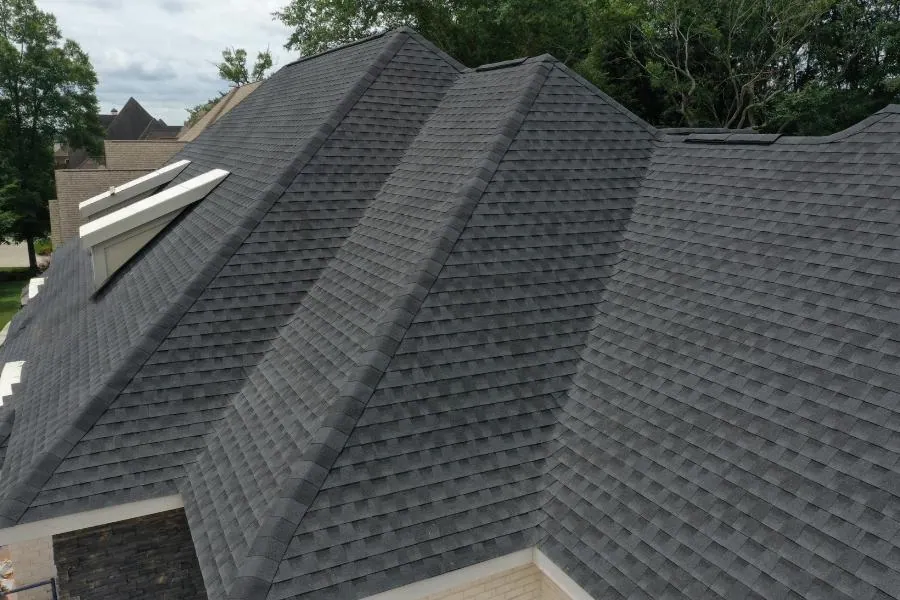
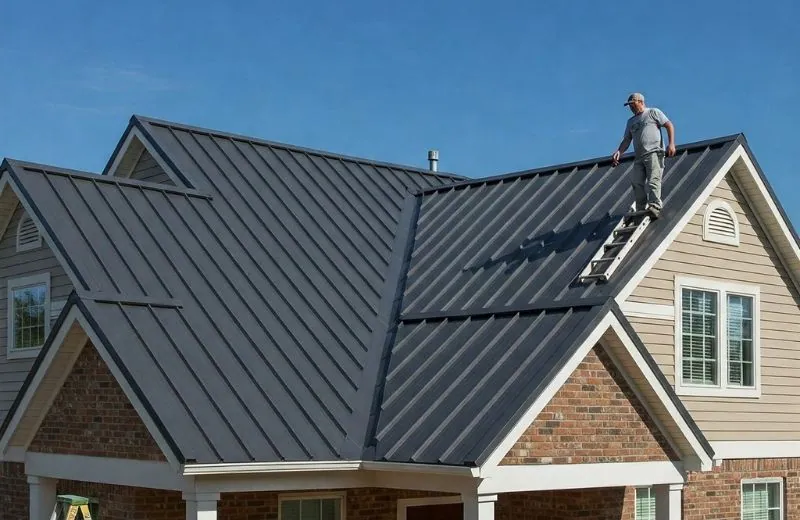
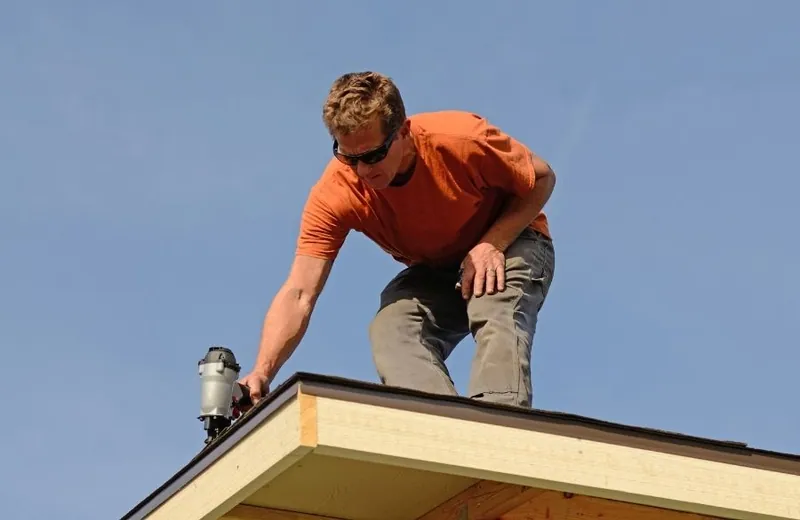
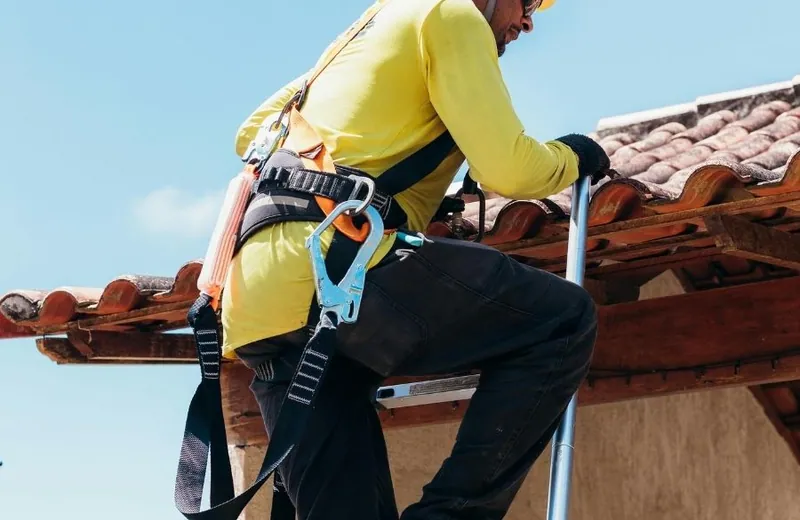
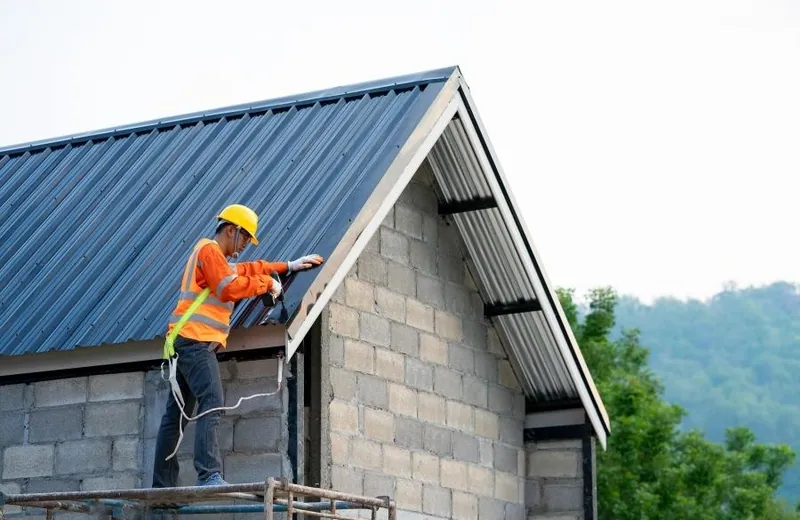
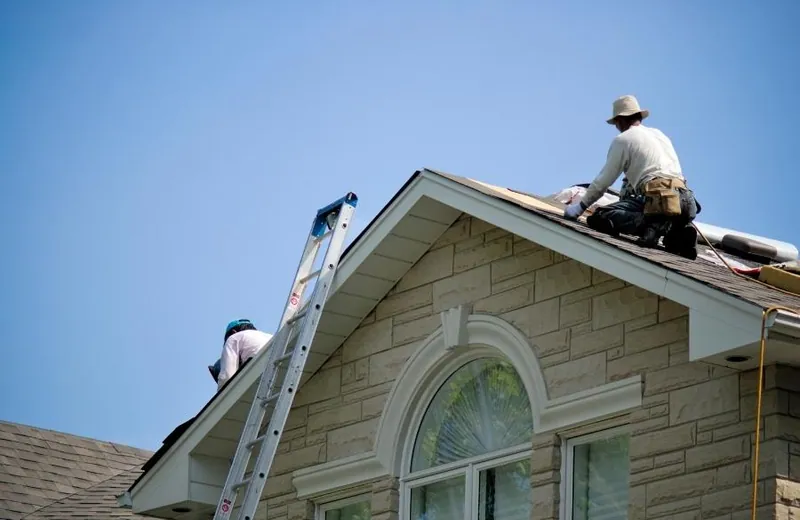
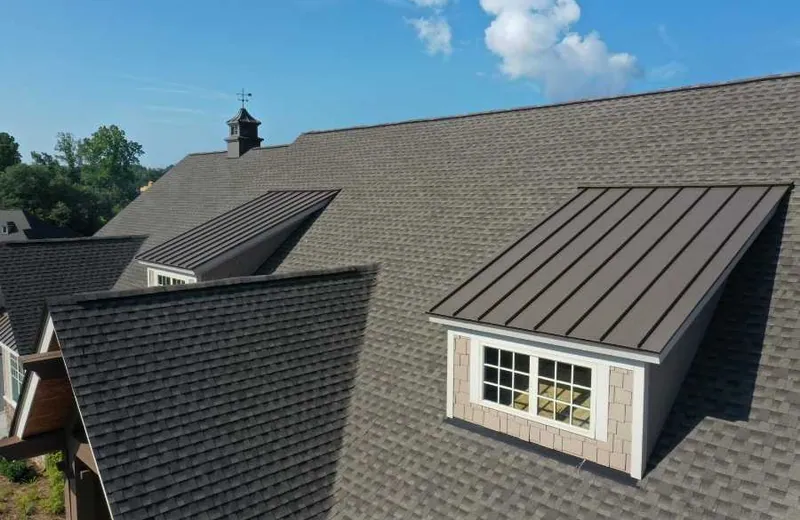
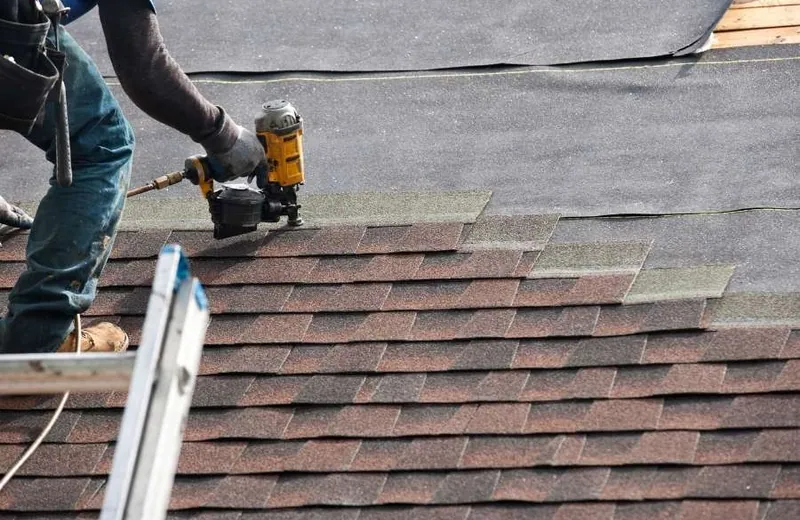
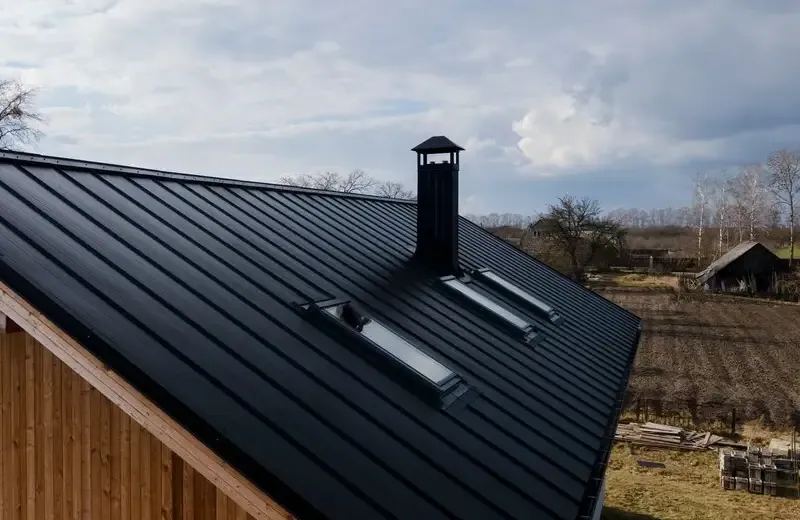
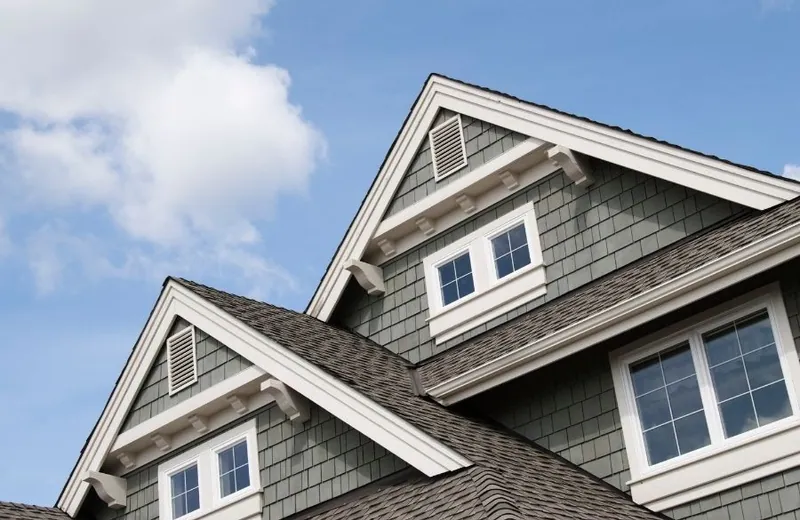
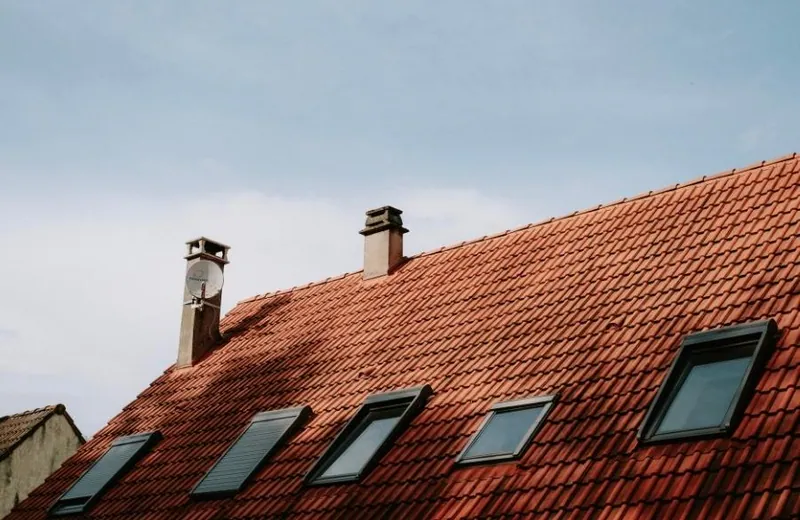
Recent roofing Projects in Delafield, WI

Roofing FAQs for Delafield and Lake Country Homeowners
How much does a new roof cost in Delafield?
Most asphalt shingle replacements in the Delafield area run from about $11,000 for a simpler ranch to $35,000 for a larger, multi-valley Lake Country Colonial. Complex lakefront homes with premium materials can go well beyond that. The biggest factors are roof size and complexity, material choice, how many layers need to come off, decking condition, and site access. Repairs like reflashing a chimney or replacing storm-damaged shingles often fall between $400 and $2,500. After we inspect your roof, we'll give you a written, itemized proposal, and financing is available.
How long does a roof replacement take?
Most homes take one to three days of installation once work starts. Large, steep, or highly detailed lakefront roofs can take longer, especially when there's a lot of decking to replace. Before the crew arrives, plan on about one to three weeks for the proposal, HOA approval if needed, permits, and scheduling. Spring and post-storm backlogs can stretch that out, since most reroofing happens between April and November when shingles can seal properly. If you see signs of wear, booking early in the season helps.
Do I need a permit to replace my roof in Delafield or Waukesha County?
Usually, yes, but it depends on your municipality. Most Waukesha County communities require a building permit for a full tear-off and replacement or for structural decking or rafter work. Some only require one above a certain job size. Requirements differ between the City of Delafield, the Town of Delafield, and villages like Hartland, Pewaukee, Sussex, and Elm Grove. Wisconsin's Uniform Dwelling Code also limits roofs to two shingle layers and requires ice barrier at the eaves. We confirm the requirements for your address before work begins and coordinate any required inspections.
How can I prevent ice dams on my roof?
Ice dams start inside the house. Heat escaping into the attic melts snow on the upper roof, and the water refreezes at the cold eaves. The most effective prevention is air sealing the attic floor, adding enough insulation, and balancing soffit intake with ridge or roof exhaust ventilation so the roof deck stays cold. Clean gutters help too. When you reroof, make sure ice-and-water shield extends past the exterior wall line as Wisconsin code requires. Heat cables and roof raking can help in the short term, but they don't fix the cause.
When should I repair versus replace my roof?
Repair makes sense when the roof is generally sound, under about 15–20 years old, and the damage is limited to a few shingles, one flashing area, or a single storm. Replacement is usually smarter when shingles are curling, cracking, or losing granules across the roof, when leaks keep showing up in different places, when there are already two layers, or when the roof dates to the 1990s Lake Country building boom. We'll give you an honest recommendation with photos, not a hard sell.
What should I do right after a hailstorm or windstorm?
First, make sure everyone is safe and stay off the roof. Look from the ground for missing shingles, dented gutters and vents, or granules piling up at downspouts, and check your attic and ceilings for leaks. Photograph anything you see. If water is coming in, call for emergency tarping. Then schedule an inspection with a local, insured contractor before signing anything with door-to-door crews. Wisconsin's ATCP 110 rules require written contracts, and we'll document the damage and help you work with your insurance adjuster.
Are impact-resistant or metal roofs worth it in southeast Wisconsin?
For many homes, yes. Southeast Wisconsin gets regular summer hail and damaging winds, and Class 4 impact-resistant shingles resist bruising better than standard shingles. Some insurers offer premium discounts for them, so ask your carrier. Standing-seam metal sheds snow well, holds up for decades, and suits rural homes and outbuildings, though it costs more upfront and may need snow guards above entries. Lakefront homes with heavy wind exposure often benefit most. We'll compare the options against your budget and any HOA restrictions.
Do you handle HOA approvals and lakefront access challenges?
Yes. Many subdivisions in Delafield, Hartland, Pewaukee, Oconomowoc, and Sussex have architectural review committees that control shingle color, profile, and material. We help you pick compliant products and provide the specifications and samples your HOA needs. On lakefront properties, we plan ahead for steep lots, narrow lake lanes, and limited dumpster placement, and we protect landscaping and shoreline during the work. If your project involves structural changes on a shoreland property, we'll flag any Waukesha County zoning questions early.
Serving Delafield, WI & Nearby
Schedule Your Delafield Roof Inspection Today
Whether you're seeing icicles and ceiling stains, granules in the gutters, or a 1990s roof that's starting to curl, it's better to find out where you stand before the next storm or winter hits.
- ✓Thorough roof and attic inspection with photo documentation
- ✓Honest repair-versus-replace advice
- ✓Written, itemized proposal with no hidden decking surprises
- ✓Bonded and insured crews protecting your home and property
- ✓Help with insurance documentation after hail and wind damage
- ✓Financing available on qualifying projects
- ✓Clean job site with magnetic nail sweep at completion
⚡ Active leak, storm damage, or ice-dam water coming inside? Call now for emergency roofing response. We'll tarp, stabilize, and document the damage.
Bonded • Insured